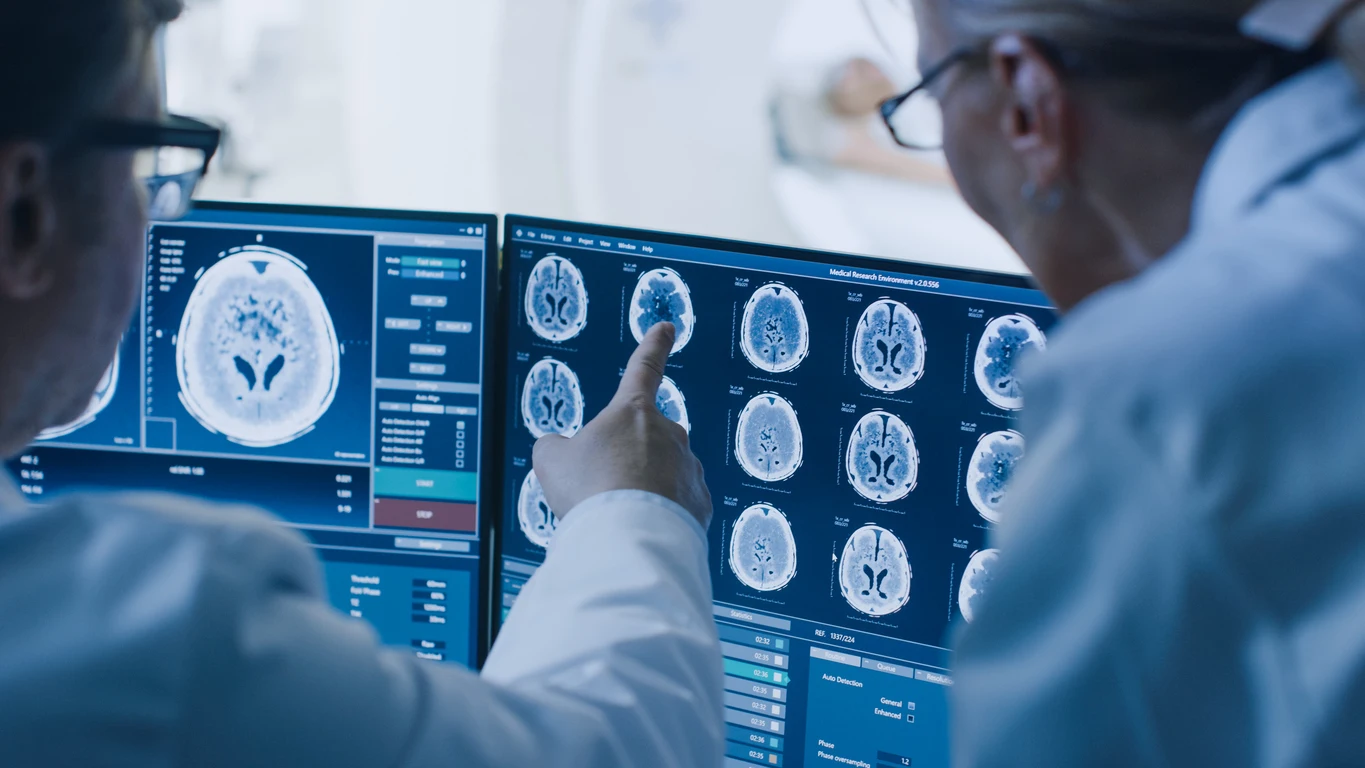
Once upon a time, to go for a cancer screening meant that you had to feel symptoms and visit the doctor, or be a certain age to do so. But with enormous breakthroughs in imaging technology, particularly whole-body MRI, the preventive care landscape is quickly shifting. More and more are turning to the scan as a reaction to the possibility of catching possible health threats before they can grow and evolve. Whether you’re genetically at risk for cancer, or simply seeking the peace of mind that comes along with this information, one-visits full body MRI scan open is a radiation-free way to be proactive about your health.
What Is A Full-Body MRI?
A whole-body MRI is exactly what it sounds like — an MRI scan of your whole body, from the top of your head to the tips of your toes. Unlike CT scans and X-rays, which do involve radiation, MRIs would seem to be particularly attractive for routine, possibly annual screening. These are the kinds of scans used to hunt for early signs of cancer, or inflammation or neurological problems, or other problems long before they start to produce symptoms. It’s the single biggest stride forward in this cancer screening for an awfully long time.
How Does Whole-Body MRI Differ From Other Cancer Screenings?
Conventional cancer screening usually looks at one part of the body — mammograms for breast cancer, or colonoscopies for colon cancer, for example. Whole-body MRI doesn’t wait around. It’s not as one-organ focused as it is whole organism-focused. This can be especially useful in those with a significant family history of cancer, or known gene mutations such as BRCA or Lynch syndromes. Sometimes, these scans will detect early, ominous signals of cancer in surprising locations — the lungs a long time before a cough, the liver before there is any hint of trouble there — in a way we wouldn’t screen for years later in a conventional lifetime.
Can Whole-Body MRI Screening Detect Early-Stage Cancer?
Yes—and that’s exactly the point. Whole-body MRI is frequently used to find cancers early, often before they’ve had a chance to cause symptoms. Early detection is both a hope for better treatment success and a chance for less aggressive therapy. It’s not foolproof — some small tumors will still be missed — but it is one of the newer, more comprehensive tools in the toolkit. And because it doesn’t involve any ionizing radiation, it can be repeated over time effectively without risk, as part of a preventive regimen.
Who Should Get A Whole-Body MRI To Screen For Cancer?
This kind of imaging is not for everyone. It is best suited for people known to be at high risk for cancer — those with strong family histories, or known genetic mutations, or histories of chronic inflammation or autoimmune arthritis, for example. It is also seeing a surge in inquiries from health-conscious individuals who can afford the thorough testing as a way of obtaining peace of mind. That said, this scan is not something insurance typically covers unless you’re paying for it medically — which makes it probably more attractive to people willing to put up their own cash for boutique or private health care.
What Happens During a Whole-Body MRI?
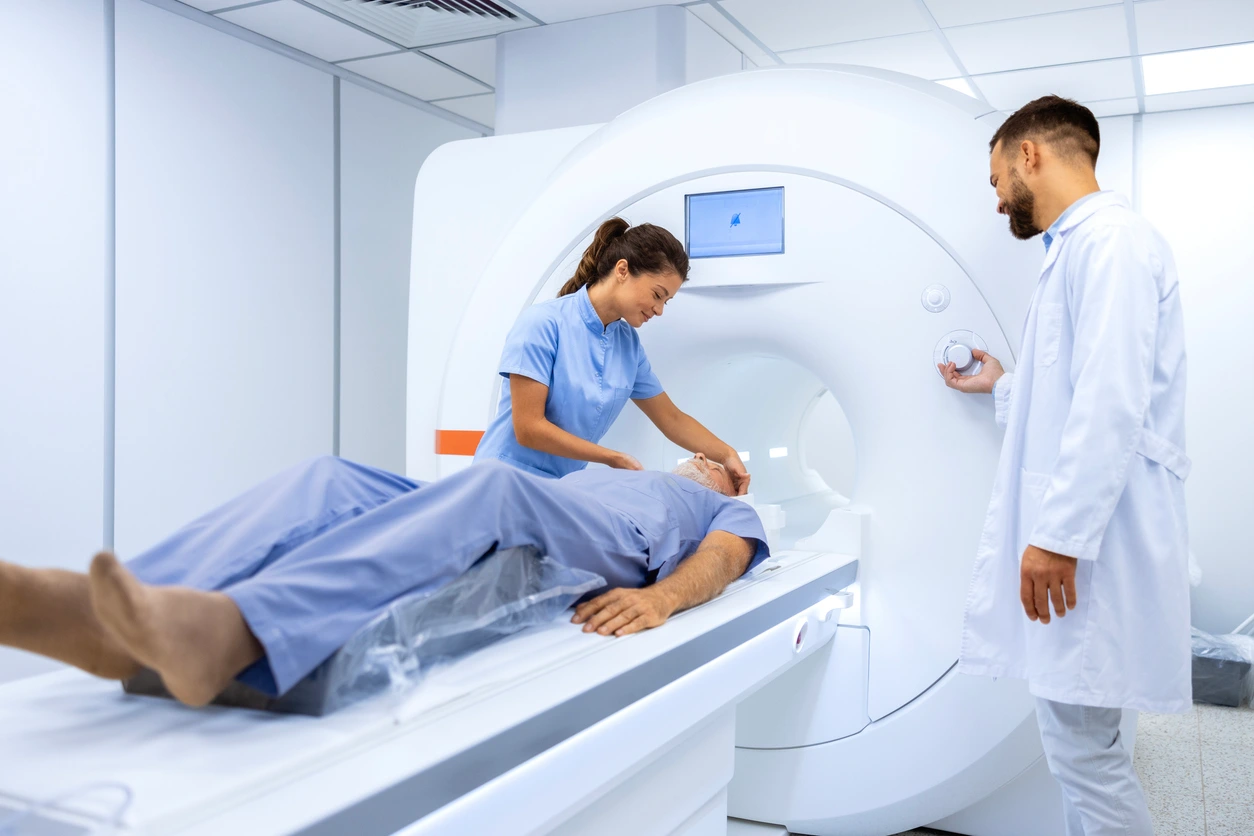
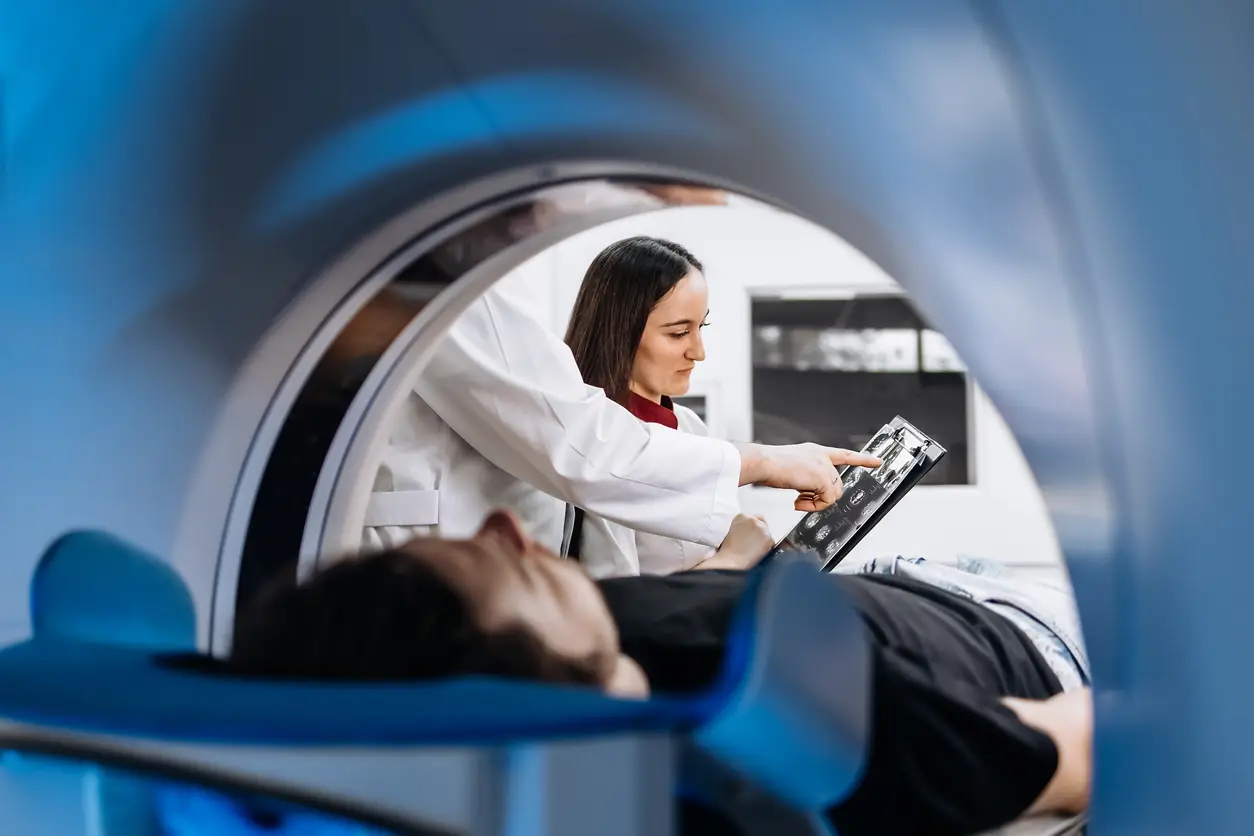
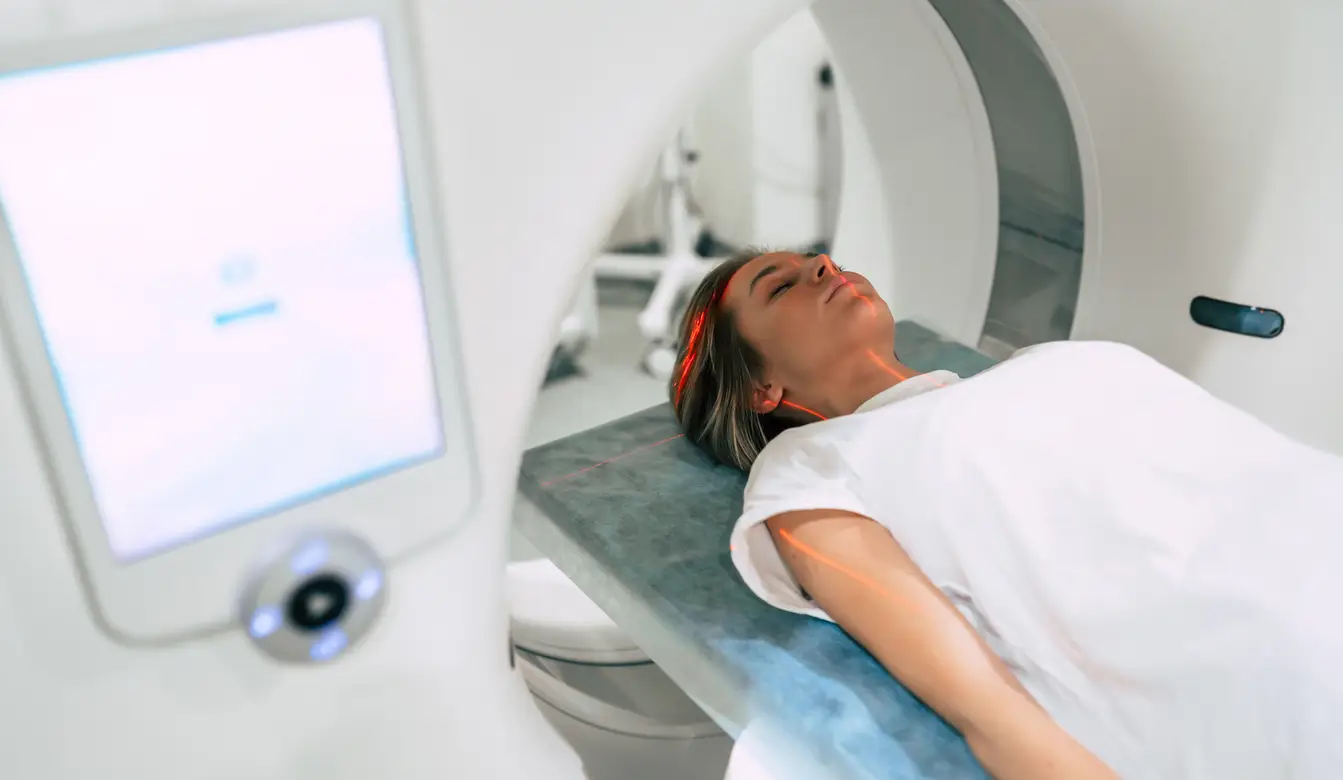
The scan is a non-invasive test as well, and it takes around 60-90 minutes on average. You will lie still in a machine that resembles a large metal donut while powerful magnets and radio waves snap cross-sectional images of your organs, bones and tissues. The most difficult thing for most of us is to simply be still and listen to the music. But most facilities today can offer headphones, music and in some cases, even open MRI machines that would make for a less uncomfortable experience. Then a radiologist interprets the results and a report is transmitted to your doctor. In most boutique practices, you also get a copy to keep.
What Are The Risks And Side Effects Of A Full Body MRI?
Yet as cool as the concept of a full-body MRI may sound, there are also some pretty significant downsides to it. One is the false positive rate, when scans reveal benign spots that can lead to more testing, anxiety or unnecessary procedures, which is why it is even more critical to use a doctor who is good at interpreting the results and telling you what is actionable and what is not. Not even full-body scanners can make the old tests (colonoscopies, mammograms) entirely obsolete yet — but can nicely complement them.
How Long Would It Take You To Deploy A Whole-Body MRI Imaging Solution (without AI)?
Whole-body MRI is becoming more powerful with the help of artificial intelligence. New algorithms can be used to help identify small patterns that human eyes will miss; they also speed up processing time for the images, leading to quicker results and better comparisons over time. AI can also help assess risks by alerting investigators to questionable areas that could bear more scrutiny. As they are further refined, MRI-based cancer screening will become increasingly accessible, accurate, and personalized.
Do Whole-Body MRIs Provide Good Value For Money?
MRI scan cost is one of the primary hurdles. There’s so rarely a clinical reason that whole-body MRI is reimbursed by insurance.” Individuals can pay out of pocket from $1,000 to $3,000 or more, depending on the provider and how detailed they want the analysis to be. But if you can afford it, the peace of mind and possibility for early detection are worth it. A few boutique medical practices and longevity clinics now have them on the menu as part of an annual wellness package — included with genetic testing and lab work.
Where to Get A Whole-Body MRI?
These scans are becoming increasingly available throughout the United States, particularly in big cities, or in the context of concierge medicine. Companies also provide mobile scanning units that take the technology to corporate campuses or health retreats. If you do decide to seek this out, find facilities that focus on preventive imaging and employ board-certified radiologists trained explicitly in whole-body interpretation. Reviews should always be checked, sample reports requested and the scan should include a comprehensive follow-up with a physician.
Conclusion
Whole-body MRI is leading the way for a new kind of preventive care, providing people a way to do for themselves what can be done for a race car: screen for cancer and other diseases before they cause symptoms. There’s no radiation involved; it offers a more complete imaging solution. As such, it’s the best tool we have for catching the earliest signs of breast cancer. It is not a substitute for all old-fashioned tests, but it is a powerful supplement — and for many, a game changer. If you’re interested in taking control over your own long-term health, this could be the scan that puts you one step ahead.
Share This Story, Choose Your Platform!
More Posts You May Find Interesting
Once upon a time, to go for a cancer screening meant that you had to feel symptoms and visit the doctor, or be a
Although breast cancer remains as one of the major cancer diseases in women worldwide. Early detection is one of the best ways to improve

If you are scheduled for an MRI, there are a few things that you need to do in advance for special preparation. A single