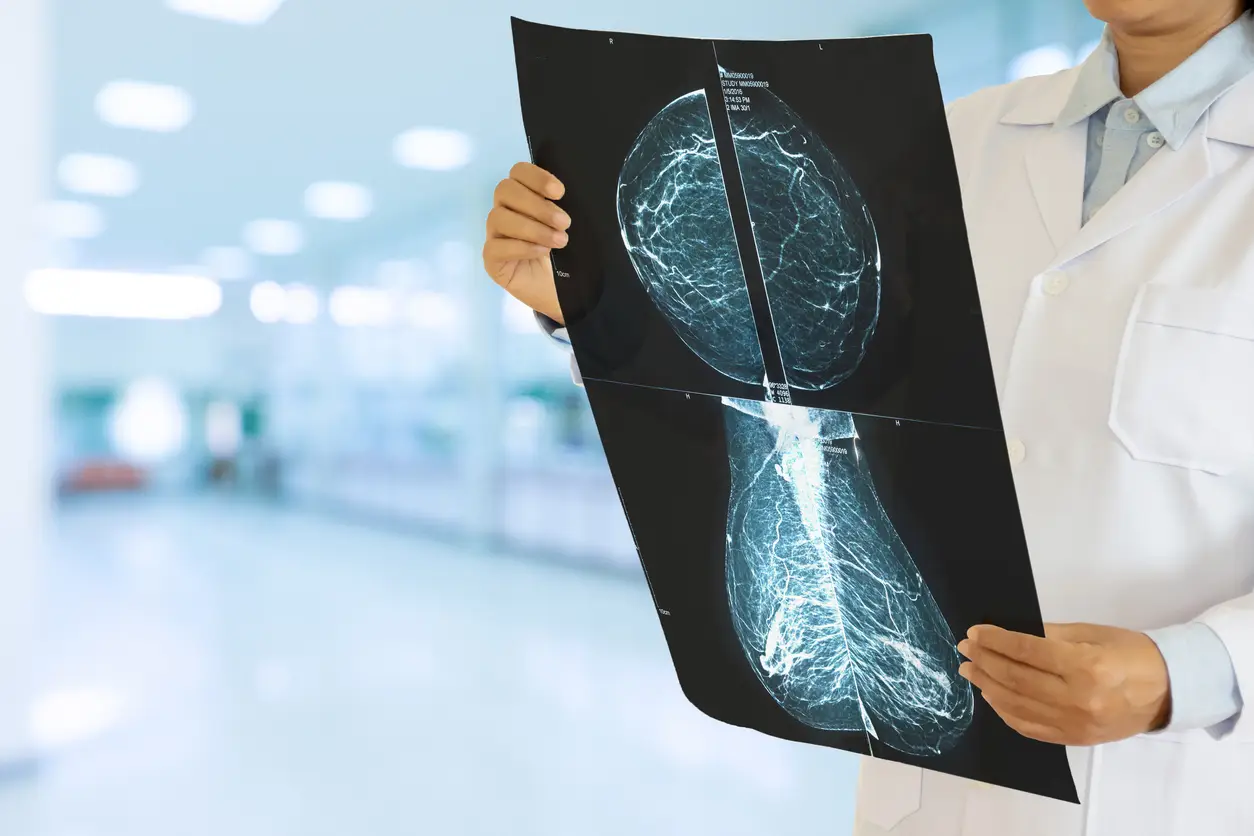
Although breast cancer remains as one of the major cancer diseases in women worldwide. Early detection is one of the best ways to improve survival and successful treatment. While mammograms are the best-known method of screening, many experts recommend that MRI scans be employed in certain cases. MRI imaging offers a far more detailed image than a mammogram, one that can even pick up breast cancers that other screenings miss, which is why a woman’s peace of mind and feeling good is enhanced by knowing what role an MRI plays in breast cancer screening.
What is the difference between breast MRI and mammography?
A breast MRI in Los Angeles uses magnetic fields and contrast dye to create detailed pictures of the breast. A mammogram, which is done using low-dose X-rays, can take images from only one or two angles; an MRI can take many, and may spot abnormalities obscured by dense tissue. This is what makes it so valuable for younger women or women who have denser, more naturally dense breast tissue that can interfere with a mammogram’s effectiveness. An M.R.I. is not a replacement for a mammogram, but it offers another level of precision in detecting breast cancer.
Who’s the biggest beneficiary of breast MRI with gadolinium?
Women who are at highest risk for breast cancer are the best candidates for MRI in Los Angeles. This group includes women with family history of breast cancer – those whose mother, daughter or sister had breast cancer – BRCA1 or 2 gene mutations, or had had chest radiation before the age of 30. MRI screening might also be suggested for women with “suspicious” mammograms that weren’t definitive. In this way, adding another MRI would allow doctors to detect cancers earlier while they are still likely manageable tumors.
How accurate is MRI at diagnosing breast cancer?
While studies have shown that MRI Los Angeles can recognizes small tumors that mammograms fail to recognize especially in dense breast tissue. M.R.I. is considerably more sensitive than mammography, which also results in a higher false positive rate. This is why MRIs are added to mammograms – they both have elements of sensitivity and specificity. For women at high risk — and so the additional follow-up tests are less an inconvenience and more a welcome step toward increased potential detection.
How long does a breast MRI take?
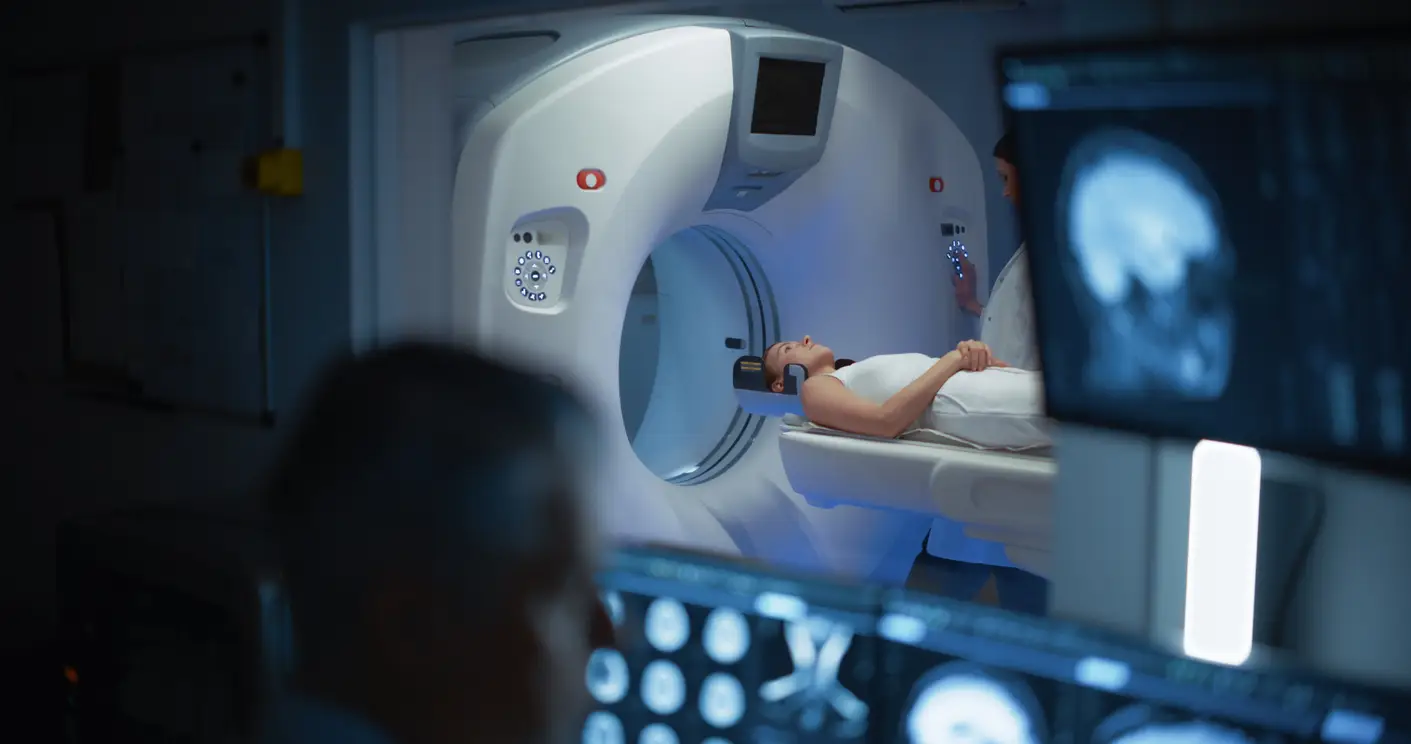
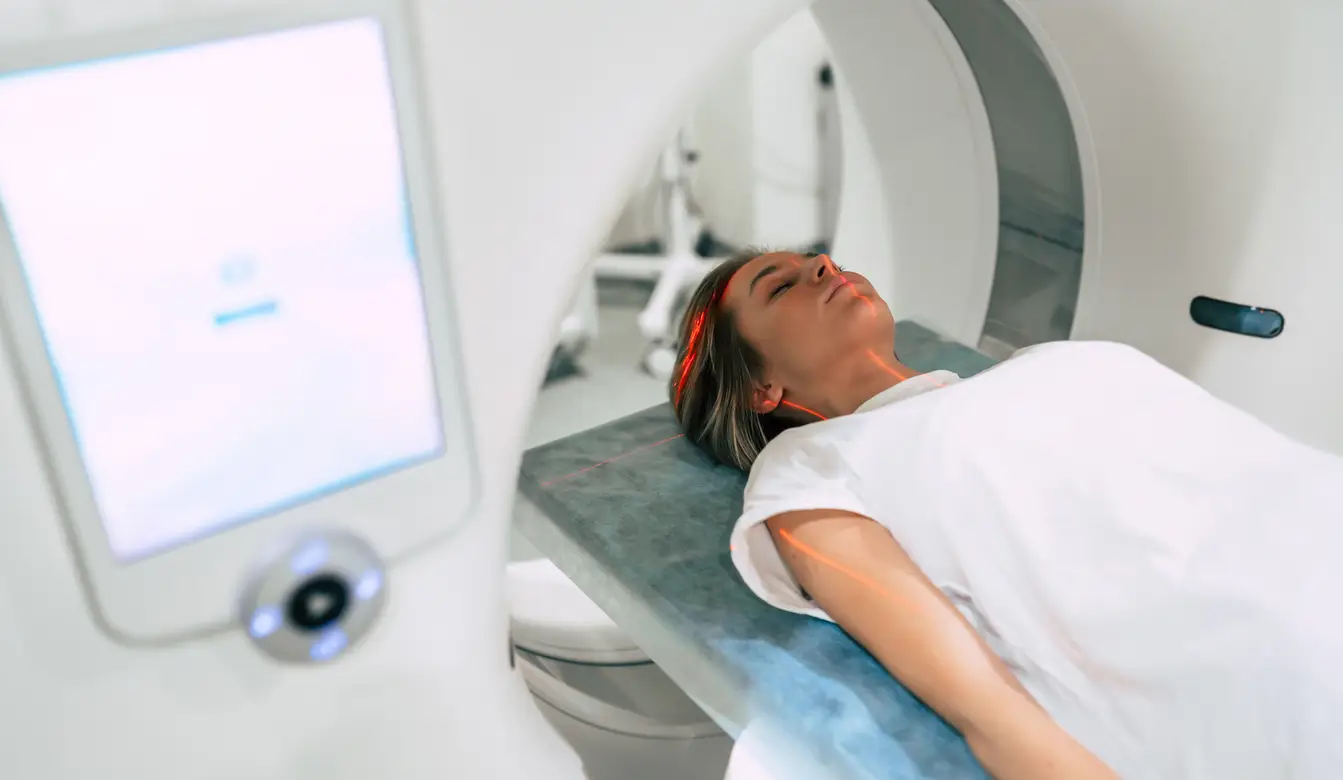
So, how long does a breast MRI take? A breast MRI can be completed between 30 minutes to 60 minutes. Patients lay face-down on a table designed especially for breast imaging during the procedure. The woman is injected with contrast dye that helps highlight abnormalities in breast tissue. It’ll be loud, but you won’t be hurt to do so. The process can be uncomfortable and requires patients to remain still for a number of minutes, but the ability to zoom in on the image at high resolution makes it worth the temporary discomfort . Most women experience no downtime and can resume normal activity soon afterwards, without restrictions.
What are the risks of a breast MRI?
Breast MRI is generally safe, but there are risks and also limitations to breast MRI. Occasionally, contrast dye can elicit an allergic reaction, but in these cases, some patients had been able to get the necessary screenings. The agency indicated that women with kidney problems should be screened prior to the procedure. Also, patients have to lie very still in a narrow cylinder, making it challenging even to those who are indifferent to an MRI tube. So again, for all of these reasons, MRI imaging Los Angeles is an effective and safe imaging modality to enhance breast cancer screening program.
How often should women get a breast M.R.I.?
The need for magnetic resonance imaging Frequency of need for a MRI scan should be based on the risk of monozygotic. Mammograms remain the main form of screening for women at average risk, and MRI may not be appropriate unless a doctor recommends it. But first-degree women of very high risk are typically advised to have both mammograms and MRIs every year. Combined this was the best of all worlds for a very comprehensive breast health screen and helping insure cancer would be found as early as possible. Your health professional will guide the timing.
The relevance of MRI in the treatment planning?
In addition to screening, breast MRIs are performed in the course of treatment planning. Once breast cancer is detected, physicians can use M.R.I. to better characterize the precise size of tumors, look for spread, and prepare for surgery, and/or radiation therapy. Mammography or ultrasound might not give the same amount of information about the extent of breast cancer. MRI Los Angeles is helpful to guide treatment and allows the doctor to plan the best treatment for individual circumstances.
Why is it especially important for women who have dense breasts to get MRI?
On a mammogram, dense breast tissue is white, too — the color most tumors appear as. That makes cancer more difficult to find with mammography alone. What a breast MRI does, meanwhile, is provide a clearer, more detailed view that can look beyond that density. And there’s a large incremental benefit for an MRI Los Angeles screen for women who have dense breasts and have got a little added risk of breast cancer. It provides reassurance and prevents the mistake of searching for something wrong.
Conclusion
Breast MRI and Breast Cancer Screening All women should understand how important breast MRI can be for breast cancer screening. While mammograms are the screening mainstay, “no other screening modality has anything near this sensitivity,” which is higher in women who are at higher risk and in those with dense breast tissue, Dr. Hewitt said. Between the 2 tests, doctors can catch cancer sooner, improve treatment outcomes and give women peace of mind. Changing unhealthy behaviors to fix a few risk factors isn’t possible, but one thing you can do to thousands of years of evolution to protect your long-term health is to talk to your physician about whether you should have a breast MRI.
Share This Story, Choose Your Platform!
More Posts You May Find Interesting
Once upon a time, to go for a cancer screening meant that you had to feel symptoms and visit the doctor, or be a
Although breast cancer remains as one of the major cancer diseases in women worldwide. Early detection is one of the best ways to improve

If you are scheduled for an MRI, there are a few things that you need to do in advance for special preparation. A single